Why Every Cocktail Lover Should Visit a Gin Bar
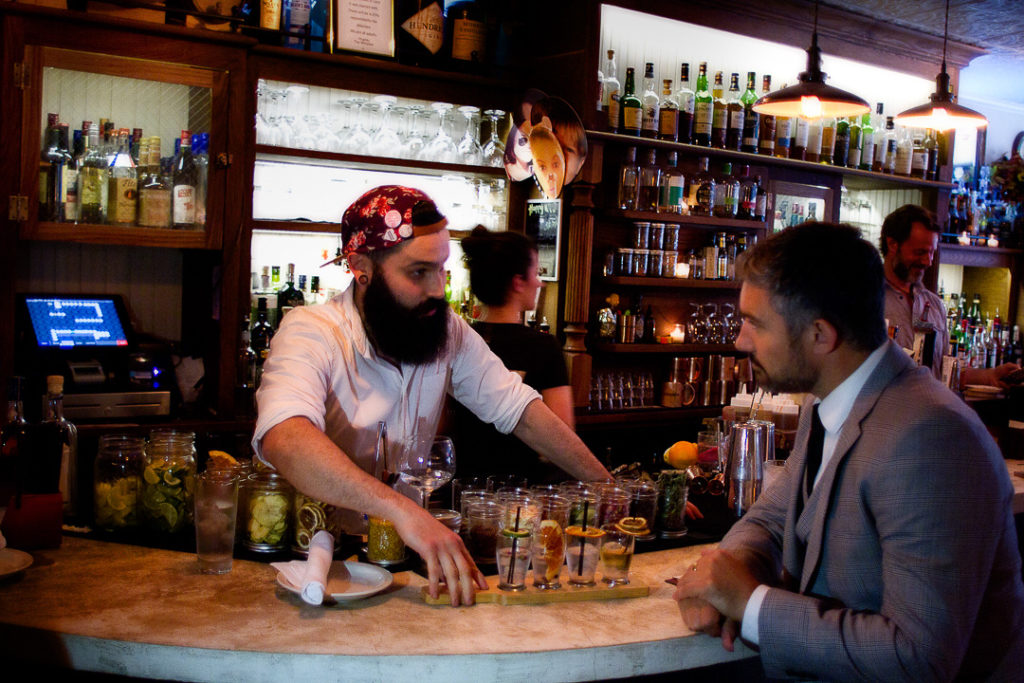
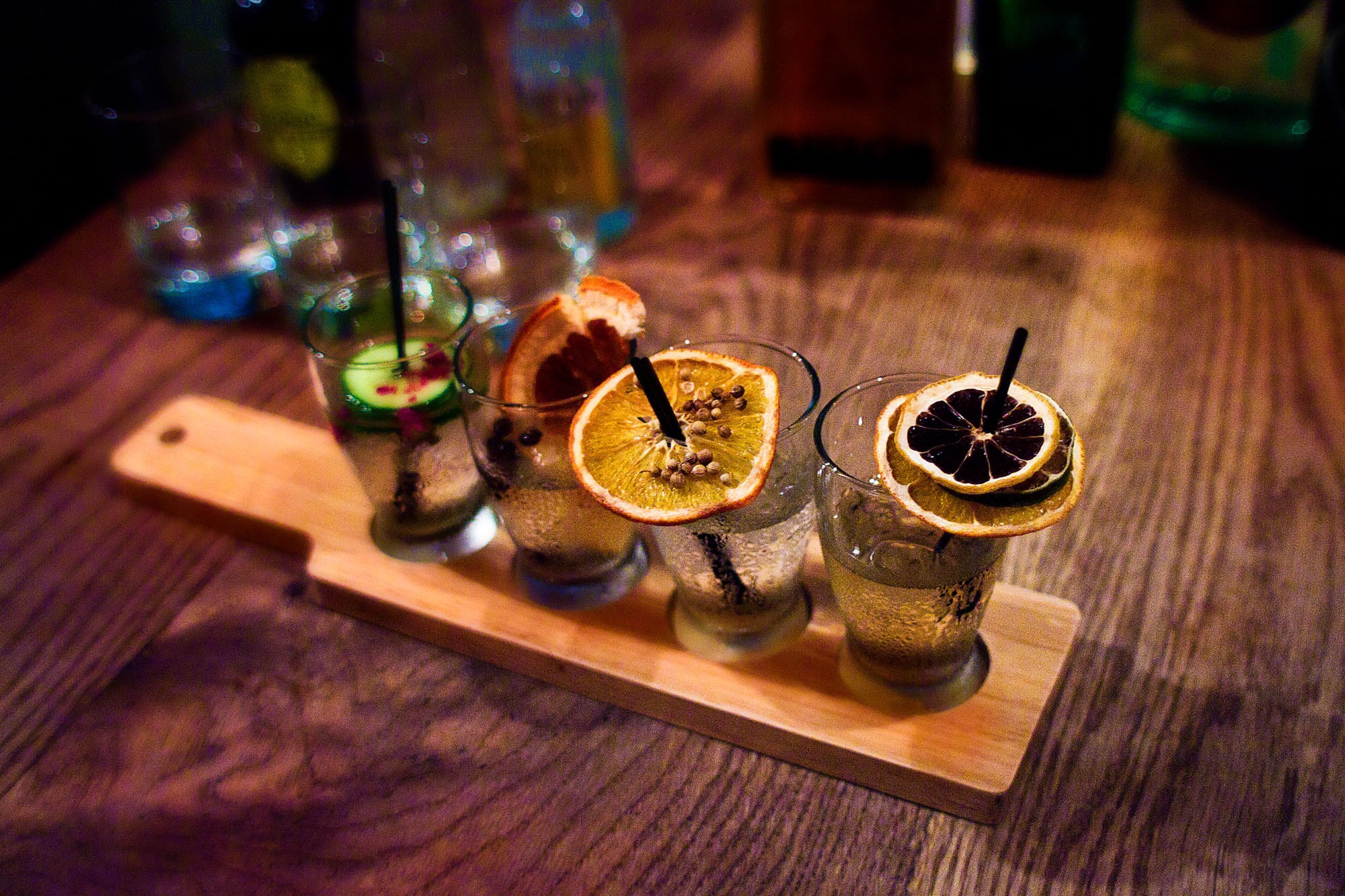
There are bars that happen to serve gin, and then there is the proper Gin Bar, the kind of place where a spirit many people think they already understand suddenly becomes far more interesting. For a cocktail lover, that distinction matters. Gin can be crisp, floral, earthy, citrus-driven, peppery, savory, resinous, or soft enough to disappear into a drink without losing its character. In the right hands, it is one of the most expressive spirits behind any bar.
That is why a dedicated gin-focused venue is worth seeking out. Not because it is fashionable, and not because a backbar lined with dozens of bottles makes for a good photograph, but because a good Gin Bar changes the way you taste cocktails. It sharpens your palate. It teaches you what balance really means. It makes the old standards feel alive again, and it introduces you to combinations that would never appear on the average menu.
If you care about cocktails beyond the level of simply ordering something cold and strong, a Gin Bar is one of the best places to deepen that interest.
Gin rewards attention in a way few spirits do
Whisky often asks for contemplation on its own. Tequila and mezcal announce themselves quickly. Rum can stretch from grassy to deeply rich, but in many bars it still gets reduced to a narrow set of familiar drinks. Gin is different. It is both obvious and elusive. You can identify it in a Martini or a Negroni within a second, yet the details of what you are tasting can be surprisingly subtle.
That is because gin is built around botanicals, and botanicals are not a single flavor. Juniper is the anchor, but what surrounds it can shift the entire profile. Coriander can lift citrus notes. Angelica can add dryness and structure. Orris root can bind aromas together. Cardamom brings brightness. Pepper adds tension. Lavender can turn a gin elegant or soapy depending on how it is handled. Grapefruit peel, lemon verbena, rosemary, sea buckthorn, olive, chamomile, elderflower, and dozens of other ingredients can push the spirit in wildly different directions.
A strong Gin Bar understands this at a practical level. It does not just stock bottles. It curates contrast. You may find a classic London dry next to a contemporary gin with little apparent juniper, next to a navy-strength bottle, next to a local craft expression that leans heavily into regional botanicals. Tasting those side by side, especially through cocktails made with intent, is one of the fastest ways to realize that gin is not one thing. It is a category with real breadth.
That matters for cocktail drinkers because gin is unusually responsive to recipe design. A quarter ounce of vermouth more or less can change a Martini from severe to generous. A different gin can turn a Tom Collins from refreshing to profound. Swap the base in a Last Word and the whole drink tilts. Few spirits reveal a bartender’s judgment so clearly.
A great Gin Bar makes classic cocktails feel new again
Most cocktail lovers already know the famous gin drinks, at least by name. Martini. Negroni. Gimlet. Tom Collins. French 75. Aviation. Southside. Last Word. What many people do not realize until they spend time at a dedicated gin venue is how many versions of those drinks are possible without becoming gimmicky.
Take the Martini. In lesser bars, it is often treated as a binary choice, gin or vodka, wet or dry, olive or twist. In a serious Gin Bar, the conversation gets more specific. Which gin? What proof? What vermouth? Stirred for how long? Lemon oils or olive brine? Freezer-cold or traditionally diluted? A Martini built with a piney, high-juniper London dry and a lean French vermouth is a different drink from one made with a softer gin featuring cucumber and citrus botanicals. Neither is inherently better. They simply make different arguments.
The same is true of the Negroni. A muscular gin can stand firm against Campari and sweet vermouth, creating a drink with spine and bitterness. A more floral gin can push the same build toward perfume and lift. Small changes in orange expression, vermouth richness, or dilution can move the drink from aperitif to nightcap. After trying a few versions in a good Gin Bar, many cocktail drinkers find that the Negroni they thought they knew was only one of many valid interpretations.
This is where expertise becomes visible. Good bartenders in gin-led spaces are often exceptionally strong on classics because gin classics leave nowhere to hide. There is no heavy barrel influence to mask imbalance, no sugar wall to soften mistakes. If the proportions are off, you notice. If the gin clashes with the modifiers, you notice that too. The upside for the guest is that when the drink is right, it feels precise rather than flashy.
You learn more from one thoughtful recommendation than from ten random orders
One of the best reasons to visit a Gin Bar has nothing to do with the menu and everything to do with the conversation across the bar. In a generalist venue, the bartender may be excellent, but their attention is split across a broad range of spirits and styles. In a specialized gin setting, there is usually a stronger chance that the staff has tasted widely within the category and can guide you with confidence.
That guidance is especially useful Gin Bar because people often describe their preferences imprecisely. A guest might say they do not like gin, when what they really mean is that they had one aggressively juniper-heavy gin years ago and never went back. Another might say they want something floral, when what they actually enjoy is high-toned citrus with a dry finish. A bartender who knows the backbar can decode those clues.
I have seen this happen repeatedly. Someone asks for “not too ginny,” a phrase that can frustrate purists but is actually quite informative. In a strong Gin Bar, that request might lead to a drink built around a softer, contemporary gin with restrained juniper, maybe paired with fino sherry, cucumber, and a touch of acidity. The guest leaves surprised that they enjoyed it. Another guest asks for the driest Martini possible and discovers that dryness is not just about using less vermouth, but about the interaction between the gin’s botanical structure, the vermouth’s herbal profile, and the final temperature of the glass.
Those moments are difficult to replicate by buying bottles blindly or following recipes at home. They come from expertise, palate memory, and the ability to steer someone toward the right expression.
Tonic finally gets the respect it deserves
Few drinks are more misunderstood than gin and tonic. It is one of the most ordered mixed drinks in the world and one of the most carelessly made. In many bars it arrives with tired ice, anonymous tonic from an open gun, and a wedge of lime added by reflex, whether it suits the gin or not. At that point it is less a cocktail than a missed opportunity.
A dedicated Gin Bar often treats the G and T with the seriousness it deserves. That does not mean making it fussy. It means understanding that this simple drink magnifies choices. The style of tonic matters. The carbonation level matters. The size and dryness of the ice matter. The garnish should support the botanical profile rather than compete with it. Grapefruit can flatter one gin and flatten another. Rosemary can add aromatic lift or overwhelm the glass. A thin lemon peel, expressed properly, can bring a drink into focus.
Spanish-style service has influenced many bars here, especially the use of large stemmed glasses, abundant ice, and thoughtful garnish. Sometimes that style is applied with restraint, sometimes with too much showmanship. The best places keep the spectacle secondary and the flavor primary. When they do, a gin and tonic becomes an unusually revealing drink, crisp, aromatic, and far more nuanced than its reputation suggests.
For cocktail lovers, that matters because simplicity is a test. If a bar can make a memorable gin and tonic, there is a good chance the rest of the program is grounded in fundamentals rather than decoration.
The range of flavors is wider than many drinkers expect
A serious Gin Bar broadens the category in practical, drinkable ways. Most people come in expecting “gin” and leave talking about styles. That shift is important. Once you start noticing style, you order with more purpose and enjoy cocktails more consistently.
Here are a few broad profiles you are likely to encounter:
- London dry styles, crisp, juniper-led, citrusy, and ideal for classic stirred drinks.
- Contemporary gins, softer on juniper, often brighter on floral, fruit, or garden notes.
- Navy-strength expressions, higher proof, more intense, excellent when a drink needs backbone.
- Old Tom bottlings, slightly richer or rounder, useful in historical recipes and some sours.
- Regional or experimental gins, built around local botanicals, savory notes, or unusual aromatics.
Those categories are not rigid, and plenty of bottles blur the lines. That is part of the pleasure. A talented Gin Bar can take that variety and show how it functions inside cocktails instead of presenting it as trivia. You taste the difference between a 40 percent gin and a 57 percent gin not as a number on a label, but as texture, persistence, and aromatic force in the glass.
It is one of the best places to train your palate
People often talk about palate development as though it requires formal classes or years of study. In reality, one of the simplest ways to build taste memory is to drink thoughtfully in a place that gives you meaningful contrast. A Gin Bar does exactly that.
Order two drinks that are structurally similar but built on different gins and the lesson arrives quickly. Try a Martini with a classic London dry, then another with a modern citrus-forward gin. Try a Gimlet shaken with a sharp, dry base, then with a softer expression. Taste a neat half-pour if the bar offers it. Pay attention to what lingers after the sip. Is the finish piney, peppery, lemony, rooty, cooling, savory? Does the gin disappear into the drink or carry through the modifiers?
You do not need technical language to benefit. You only need curiosity and a little focus. Over time, you start recognizing what you tend to prefer. Maybe you like gins with pronounced juniper in bitter cocktails but softer ones in highballs. Maybe you discover that floral gins seem pleasant at first sip but become tiring over a full round. Maybe you realize that your ideal Martini is not “extra dry” at all, just cold, aromatic, and balanced.
That sort of self-knowledge is valuable. It saves money, improves your orders, and makes every future cocktail experience more rewarding.
Gin bars often have stronger seasonal creativity
Because gin’s botanical structure is naturally aromatic, it tends to pair beautifully with seasonal produce, herbs, teas, spices, and low-ABV modifiers. That gives gin-focused bars a lot of room to build menus that feel fresh without leaning on novelty for its own sake.
In spring, you might see drinks with pea shoots, tarragon, green strawberry, or elderflower. Summer lends itself to stone fruit, basil, cucumber, tomato water, melon, and alpine liqueurs. Autumn can bring quince, pear, sage, bay leaf, and dry spice. In winter, citrus, rosemary, black tea, clove, or savory ingredients such as olive and caper can all work well when handled carefully.
The important point is not that gin goes with everything. It does not. The point is that it can bridge flavors elegantly. A good Gin Bar knows when to let the spirit lead and when to let it support. The best menus show restraint. They understand that if every drink is loaded with six house infusions and a smoke cloud, the gin disappears and the category loses its point.
When seasonal cocktails are done well in a gin-forward setting, they often feel brighter and more precise than equivalent vodka or rum builds. The drink can still be expressive without becoming heavy.
The food pairing potential is better than many people realize
Wine gets most of the pairing attention, but gin performs remarkably well with food, especially in bars that offer small plates or a full kitchen. Its botanical profile can echo herbs, cut fat, complement brine, and refresh the palate between bites.
Martinis with oysters are a classic for a reason. The salinity of the oyster and the cold aromatic snap of the drink reinforce each other. A gin and tonic can work beautifully with fried food because carbonation and bitterness clear the palate. Herbal gin cocktails pair well with fresh cheeses, cured fish, citrus-dressed vegetables, and many dishes that rely on green herbs rather than heavy sauces.
Even richer foods can work if the drink is chosen well. A Negroni beside charcuterie, for instance, makes sense because bitterness, sweetness, and fat create contrast. The pairing is not subtle, but it is effective. On the other hand, delicate floral gins can vanish against assertive smoked meats or hot spice. That is the kind of trade-off a good Gin Bar staff can help you navigate.
For cocktail lovers who usually think of bars and restaurants as separate experiences, this can be a pleasant surprise. Gin is not just an aperitif spirit. In the right setting, it can carry a whole evening.
You see the difference between curation and mere abundance
A wall of bottles is not proof of quality. Some bars use scale as a substitute for judgment. They carry eighty or a hundred gins, but the list feels random, the staff cannot speak about half of them, and the menu relies on the same few brands anyway. That kind of excess can impress newcomers while offering little substance.
A better Gin Bar may have fewer bottles and more clarity. The selection will be diverse without being chaotic. The menu will reveal a point of view. The staff will know how the house tonic behaves, which gins hold up in stirred drinks, and which bottlings are better suited to citrus, bitters, or soda. That kind of curation creates trust.
If you want to tell whether a Gin Bar is worth your time, a few signs help:
- The staff can explain why a specific gin suits a specific drink.
- The tonic options are treated seriously, not as an afterthought.
- The classic cocktails are executed cleanly and consistently.
- The menu uses gin in different formats, stirred, shaken, long, bitter, and spirit-forward.
- The bottle list shows range rather than just quantity.
Notice that none of those signals depend on luxury. A small neighborhood Gin Bar with a thoughtful team can outperform a grand room with expensive shelving and weak fundamentals.
It offers a better path into lower-ABV and more restrained drinking
Cocktail culture has matured in some useful ways. Many drinkers still enjoy boozy classics, but more people now appreciate pacing, nuance, and drinks that fit a full evening rather than ending it early. Gin bars are often well positioned here because gin pairs naturally with fortified wines, aperitifs, vermouths, and lengthening mixers without losing identity.
A gin-and-sherry highball, for example, can be deeply satisfying without hitting the force of a double Martini. A spritz variation built with gin, amaro, and soda can feel adult and layered rather than watered down. Even a half-size Martini served as a “tiny” or “mini” pour can be a smart move, especially if you want to compare styles or stay sharp through dinner.
This is not only about moderation. It is about extending pleasure. One strong drink can be excellent. Two or three carefully judged ones, with variation in strength and structure, often make for a better night. A good Gin Bar usually understands that rhythm.
The atmosphere suits conversation and attention
Not every bar needs to be quiet, but gin-focused spaces often lend themselves to a certain kind of drinking: attentive, conversational, paced. There are exceptions, of course. Some are loud, crowded, and nightlife-driven. Yet many of the best Gin Bar experiences happen in rooms where you can smell the lemon peel being expressed over the glass, hear the ice settle in the mixing vessel, and actually discuss what you are drinking.
That atmosphere matters more than people admit. Cocktails are sensory by thewinslownyc.com Gin Bar nature. Noise, rushed service, and poor glassware flatten them. A room that allows concentration, even casually, amplifies the experience. You notice texture. You notice temperature. You notice how a drink changes over ten minutes.
For cocktail lovers, this is part of the appeal. A Gin Bar is not just a place to consume alcohol. At its best, it is a place to pay attention, which is often where the pleasure lies.
Even if you think you do not like gin, this is the place to test that belief
Plenty of experienced drinkers believe they are not gin people. Sometimes they are right. No spirit works for everyone. More often, though, they dislike a narrow version of gin, usually one that was too harsh, too piney, poorly matched to tonic, or buried in a badly balanced cocktail.
A proper Gin Bar is the most efficient place to revisit that assumption because the category is presented with context. Instead of taking a blind gamble on another random gin drink, you can tell the bartender what you dislike and why. If they are good, they will either find a style that suits you or honestly suggest another spirit. That honesty is part of what makes specialized bars valuable. They are not there to win an argument. They are there to put the right glass in front of you.
Sometimes the breakthrough drink is simple, a clean Collins with a bright citrus-forward gin. Sometimes it is a savory Martini that reframes the spirit entirely. Sometimes it is a bitter, structured drink where the gin’s dryness does quiet work in the background. However it happens, the moment can be memorable because it feels like discovery rather than persuasion.
Why this visit tends to stay with people
The best bar experiences create a shift in perception. You walk in thinking you know roughly what to expect, and you leave with a better sense of what the category can do. A good Gin Bar creates that shift more reliably than most specialist concepts because gin is both familiar and underexplored. It sits close enough to common cocktail culture to feel accessible, yet it has enough range to keep surprising even seasoned drinkers.
For some guests, the appeal will be educational. For others, it is purely sensory, the pleasure of a colder Martini, a cleaner tonic, a brighter garnish, a more articulate drink. For many, it is both. What matters is that the experience tends to sharpen taste rather than merely satisfy appetite.
That is why every cocktail lover should make room for a Gin Bar on their list, not as a one-off novelty stop, but as a place to revisit. The category rewards repeat attention. The classics deepen. Preferences become clearer. New bottles and seasonal ingredients keep the menu alive. And every so often, across a quiet bar top, you get the kind of drink that resets your standards a little higher than before.
The Winslow
243 E 14th St
New York, NY 10003, United States
Phone: +1 212-777-7717
FAQ About Gin Bar
How to do a gin tasting?
Start with a small pour and gently smell the gin before taking a small sip. Notice its juniper, citrus, floral or spice notes, then compare how the flavor changes with a little water or tonic. At a gin bar, ask the bartender to explain the selection and botanical pairings.
How to make the best tasting gin and tonic?
Use chilled gin, fresh tonic and plenty of ice. A common starting ratio is one part gin to two parts tonic, adjusted to taste. Choose a garnish that complements the gin's botanicals and stir gently to preserve the bubbles.
What is the smoothest tasting gin?
There is no single smoothest gin for everyone. Perceived smoothness depends on the botanical recipe, alcohol strength, serving temperature and mixer. Describe whether you prefer citrus, floral, herbal or juniper-forward flavors so a bartender can suggest a suitable style.