What Makes a Great Gin Bar NYC Destination
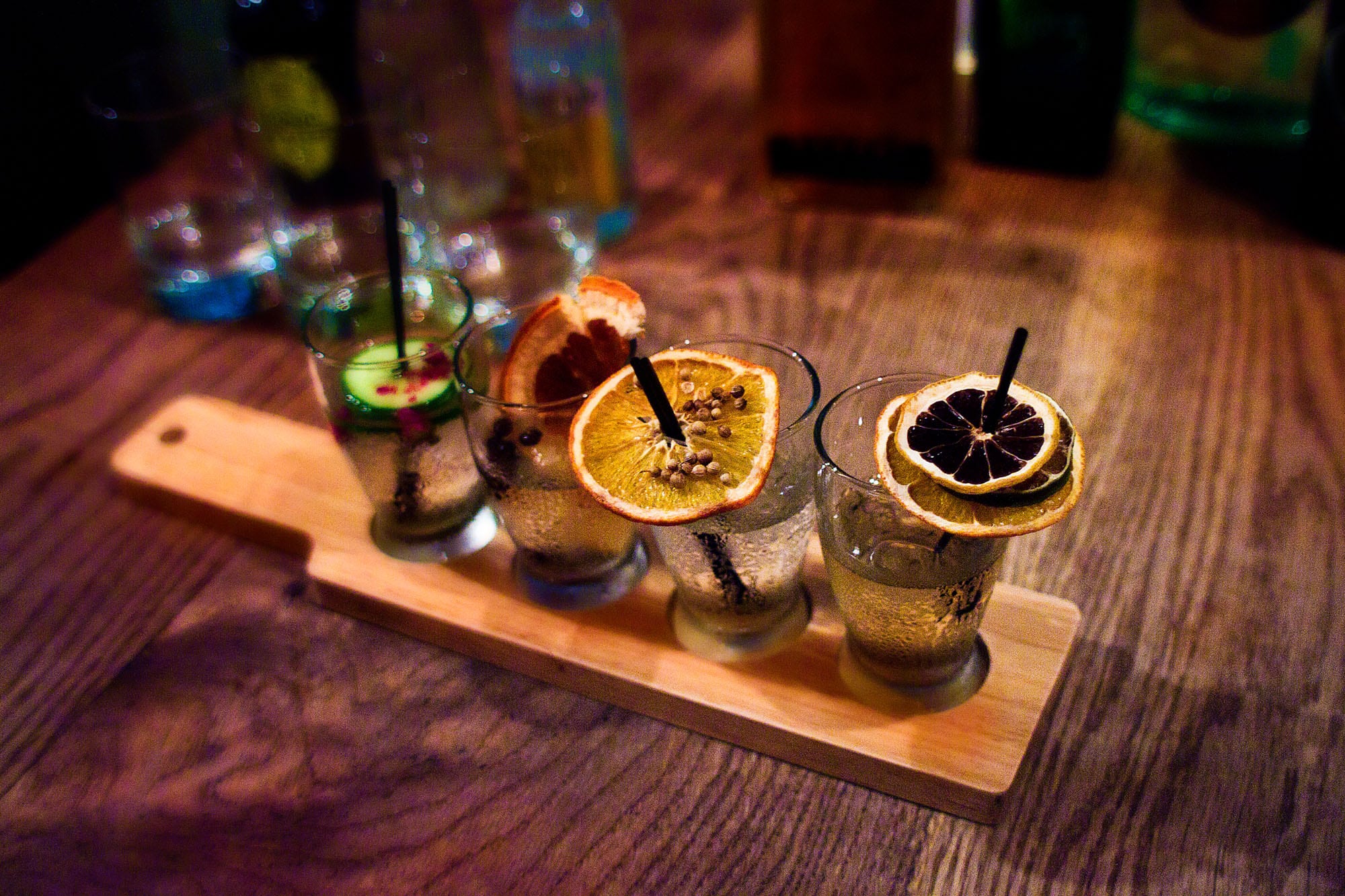
New York has never struggled to pour a drink. The city has neighborhood taverns that still feel stubbornly timeless, hotel bars polished to a gloss, cocktail dens with a two-hour wait on a Friday, and places that survive on one great martini and a room full of regulars. Yet a true gin destination occupies a narrower lane. It has to do more than stock a few London dries and hand over a chilled coupe. A great Gin Bar NYC spot earns loyalty through judgment, precision, and atmosphere, not just inventory.
That distinction matters because gin is less forgiving than many spirits. Whiskey can lean on oak, rum can hide behind sweetness, tequila often arrives with a built-in identity. Gin puts nearly everything on the table at once. Juniper leads, but citrus, spice, root, floral notes, and herbs all compete for attention. A bar that treats gin like a generic clear spirit misses the point. A bar that understands it can create some of the most layered, refreshing, and memorable drinking experiences in the city.
The best gin bars in New York know that a guest might walk in wanting one of three very different things. Some want a cold, clean martini with almost surgical precision. Some want to explore unfamiliar bottles and botanicals. Others simply want a room that feels alive, where the glass in hand suits the mood. A destination-worthy gin bar can serve all three impulses without feeling scattered. That balancing act is harder than it looks.
It starts with curation, not sheer volume
A weak bar menu often signals ambition by counting bottles. Fifty gins, seventy gins, one hundred gins. Numbers can impress for a moment, but a wall crowded with redundant labels does not amount to a point of view. In practice, guests rarely benefit from a list padded with near-identical expressions. What they need is curation that creates range.
A serious gin bar should have enough breadth to show the category’s personality. That means a core of classic London dry styles, where juniper remains decisive and structure matters. It also means room for contemporary gins that pull citrus forward, bottles that turn floral without becoming perfumed, and a few savory or regionally distinctive expressions that challenge assumptions. If every bottle tastes broadly similar, the menu is dead weight.
The most persuasive lists usually reveal a buyer who has spent time thinking about use, not just reputation. Some gins are ideal for martinis because they stay composed under dilution and let vermouth speak. Others light up in a gin and tonic, where carbonation and garnish draw out hidden notes. Some are excellent in a Negroni because they can stand up to Campari and sweet vermouth without disappearing. A strong back bar reflects those purposes.
I have always found that the best places can explain, in plain language, why a particular bottle sits on the shelf. Not with a speech. Not with tasting-note theater. Just enough context to guide a choice. If a bartender can say, “This one leans bright and citrusy, better in a Collins than in a bone-dry martini,” that tells you the program is being run by people who taste critically and care about outcome.
There is also a subtle sign of quality in what a bar leaves out. Every category has trend bottles that generate attention for packaging, celebrity ties, or novelty botanicals. Great bars do not ignore trends out of snobbery, but they do resist turning the menu into a retail display. If a bottle does not drink well, or does not add a new lane to the selection, it should not be there.
The martini is still the test
Any place can advertise gin. The martini exposes whether the bar actually respects it.
This is not because there is only one Gin Bar NYC correct martini. New York alone contains fierce loyalties around ratios, garnish, temperature, and dilution. Some drinkers want whisper-dry. Others want real vermouth presence. Some want a lemon twist expressed over the surface. Others want olives and salinity. The point is not orthodoxy. The point is control.
A great gin bar chills glassware properly. It stores gin with intent. It understands the difference between a martini that is bracing and one that is simply cold. Those sound similar until you taste them side by side. A rushed martini can hit the table icy yet sloppy, with uneven dilution and a blunt alcoholic edge. A well-made one feels integrated. You taste the gin’s structure, the vermouth’s aroma, and the texture that comes from exact stirring.
The details accumulate quickly. Fresh vermouth matters, and not every bar handles it well. Vermouth is wine-based and fragile. Once opened, it degrades. If the bottle has been languishing too long, the drink flattens. Ice quality matters too. Large, hard cubes stir differently from wet, crumbling ice. Even the pour into the glass matters. A steady hand preserves clarity and temperature.
One of the easiest ways to judge a Gin Bar NYC destination is to order something classic and minimally forgiving. A martini does the job. So does a gin and tonic, which sounds simple until you notice how often it is handled carelessly. Cheap tonic can obliterate a nuanced gin. Dead tonic, over-iced glassware, random garnish, and a lime wedge slapped in by habit, all of that tells you the bar is coasting. At a serious place, tonic is chosen thoughtfully, carbonation is lively, and garnish has a reason for being there.
Staff knowledge should feel useful, never performative
The bartender is often the difference between a good room and a destination. In gin service, that gap widens.
A great bartender understands flavor structure well enough to guide without overwhelming. Guests vary. One may know exactly what botanical profile they enjoy. Another may only know they dislike drinks that taste “too piney” or “too floral.” The staff should be able to translate those vague preferences into useful choices. That skill is a kind of hospitality intelligence. It is part sensory training, part listening.
What makes this especially important with gin is that descriptors can become slippery. Floral can mean violet, rose, elderflower, chamomile, or orange blossom, each of which lands differently. Citrus can suggest lemon peel bitterness, grapefruit pith, or sweet orange softness. Spice can tilt peppery, warm, resinous, or herbal. Strong bartenders can turn those abstractions into clear recommendations. Weak ones fall back on rehearsed bottle stories.
I remember a bartender once steering a guest away from a popular bottle because the guest wanted a cleaner, drier martini. He did it gently, with no ego attached, and suggested a gin the guest had never heard of. The result was exactly right. That moment is what separates curation from salesmanship. Good bars are not trying to move the most famous name. They are trying to make the best drink.
Knowledge also shows in pacing. If the room is busy, the staff must decide when to educate and when to simplify. A ten-minute lecture at a three-deep bar is self-indulgence. A crisp sentence or two can do more than a long explanation. Great service is calibrated to the room.
Ice, glassware, and garnish are not decorative details
People often talk about cocktails in terms of recipes, but execution lives in physical details. Gin, with its aromatic precision, makes those details impossible to ignore.
Glassware should fit the drink and preserve its strengths. A tight, chilled martini glass or coupe helps maintain temperature and focus aroma. A balloon glass can work beautifully for some gin and tonics, but only if the bar understands why it is using one. A Collins should arrive in a vessel that supports lift and carbonation, not a substitute chosen because the clean glasses ran out. These choices affect how a drink smells, warms, and opens over time.
Ice deserves equal respect. Wet machine ice dumped carelessly into a stirred drink can throw dilution off before the glass even leaves the station. In highballs, the wrong ice can collapse carbonation and flatten texture. At top bars, you can often see the difference before you sip. The drink looks composed. The cube or spear sits with purpose. Nothing appears accidental.
Garnish is where many bars either reveal discipline or betray shortcuts. Gin loves garnish, but garnish must serve flavor. Lemon twist brightens and sharpens. Orange can broaden sweeter botanicals. Grapefruit introduces bitterness and perfume. Cucumber cools but can dominate if overused. Herbs such as rosemary, thyme, or basil can be wonderful, though they need restraint. Too much greenery in the glass can turn a drink into a scented candle.
A well-run gin bar trains staff to treat garnish as seasoning, not decoration. That distinction is obvious in the glass. You smell intention rather than clutter.
The room itself shapes the experience
A destination bar is not defined by liquid alone. New York gives people too many options for a bar to survive on technical ability without atmosphere. The strongest gin bars understand the emotional setting in which gin works best.
Unlike categories built around heaviness or fire, gin often thrives in rooms that feel alert and sociable. Good light matters. So does sound. If the music is so aggressive that no one can ask a question about the menu, the bar loses one of gin’s pleasures, which is discovery through conversation. If the room is too stiff, that same discovery can feel like homework.
The best spaces strike a rare balance. They feel considered but not precious. You can stop in for one drink before dinner or settle in for three rounds and a plate of something salty. The seating helps. The bar itself should invite observation. Watching a bartender stir, zest, and build a highball with rhythm adds to the experience. So does enough breathing room to avoid feeling wedged into a tasting line.
New York bars also live or die by how they handle crowd pressure. A place can have beautiful design and still fail as a destination if every visit feels like logistical combat. If the reservation system is opaque, the host stand dismissive, and the standing area chaotic, people may admire the drinks and never return. Hospitality is part of atmosphere. It is hard to enjoy an elegant martini after being barked at over a thirty-minute delay.
Food matters more than many bar programs admit
Gin rewards smart food pairing, especially in a city where people rarely want the night to stop at a single drink. The best bars know how to support the spirit with food that sharpens appetite rather than dulling it.
Salty, briny, crisp, and lightly fatty dishes tend to excel. Oysters and gin are a classic match for a reason. The mineral quality of shellfish can make juniper feel cleaner and citrus brighter. Good fries, properly seasoned, can be surprisingly effective alongside a martini. Charcuterie works when the balance is right. Even a meticulously made deviled egg or a plate of chilled vegetables with herb dip can fit the category’s freshness.
Problems arise when the food menu ignores the drinks. Heavy, overly sweet, or aggressively spiced dishes can crowd out nuanced gins. That does not mean a gin bar needs to serve only delicate fare. It means the kitchen and bar should be thinking in the same direction. If the cocktail list leans botanical and dry, but the food skews sticky and blunt, the overall experience fractures.
One practical marker of a strong program is whether the staff can pair confidently without sounding scripted. If someone orders a citrus-driven gin and tonic, can the server suggest a small plate that complements it? If a guest starts with a Negroni variation, is there something on the menu that can stand beside it? That kind of coordination turns a bar visit into an evening.
The menu should reward both newcomers and obsessives
A great destination does not require encyclopedic knowledge from the guest. That is especially important for gin, which can intimidate people who have one bad memory of a harsh, pine-heavy pour from years ago.
The menu should create multiple entry points. Signature cocktails help when they are built with clarity rather than gimmicks. A short note about style can make all the difference. “Bright and dry,” “floral with citrus,” or “savory and herbaceous” tells a guest more than a whimsical cocktail name ever will. Meanwhile, enthusiasts should be able to go deeper, whether through bottle selections, martini customizations, or a rotating feature that highlights a region, distiller, or production style.
This does not require turning the menu into a textbook. It requires editorial intelligence. If the first page reads like an exam, the bar risks losing people before the first order. But if the menu says nothing useful at all, serious drinkers will sense a lack of depth. Great bars solve this by being readable on the surface and richer once conversation begins.
A few qualities tend to separate memorable gin bars from generic cocktail spots:
- a bottle selection with real stylistic range
- martinis and highballs executed with technical consistency
- staff who can translate preferences into precise recommendations
- garnish, glassware, and ice handled as tools, not props
- a room that supports both quick visits and longer stays
That list is simple on paper. In practice, each point takes discipline, training, and a clear house philosophy.
Price, value, and the New York reality check
No one visits a Manhattan or Brooklyn cocktail bar expecting bargain pricing, and gin programs often carry premium costs. Imported bottles, staff training, proper refrigeration for vermouth, better tonic, specialized glassware, and slower service all affect the check. Still, price alone does not make a place premium. Value comes from what the guest actually receives.
There are bars in New York where a martini feels expensive but justified. It arrives cold enough to shimmer, balanced enough to disappear quickly, and supported by service that is warm and alert. Then there are bars charging roughly the same amount for a drink that feels assembled rather than crafted. The difference is obvious after the second sip.
A serious Gin Bar NYC destination should make the guest feel that money went into quality rather than theatrics. Oversized garnishes, smoky domes, and decorative vessels can be fun in the right context, but they rarely improve gin itself. In fact, gin often shines brightest when the bar resists overcomplication. Precision is not flashy. It is costly in quieter ways, because it requires labor and standards.
Happy hour and off-peak visits are often when value reveals itself most clearly. A place that keeps its standards at 5 p.m. On a Tuesday usually keeps them at 9 p.m. On a Saturday. The reverse is also true. If a bar can only perform when every senior bartender is on the stick and every seat is filled with industry friends, it is not a reliable destination.
Seasonal intelligence separates good bars from great ones
Gin is a year-round spirit, but the bars worth revisiting know how to adapt its presentation with the calendar. That does not mean forcing every season into a cliché. Summer does not demand endless cucumber, and winter does not require every drink to taste like baking spices. It means adjusting textures, garnishes, and supporting ingredients in ways that feel natural.
In warmer months, a great bar might lean into long drinks with snap and lift, perhaps bitter aperitif structures, saline touches, or sharper citrus profiles. In colder weather, the same bar may move toward martinis with more textural vermouths, gin drinks with subtle savory depth, or richer aromatics that still preserve freshness. The spirit itself can handle both modes.
Seasonality also gives a bar a chance to keep regulars engaged. The back bar may stay mostly stable, but rotating features create a reason to return. Done well, this feels like editorial confidence rather than reinvention for its own sake. Regulars notice when a program evolves thoughtfully.
How to tell if a bar is worth returning to
Sometimes a place reveals its quality in the first five minutes. Other times you need a second round. For anyone trying to find a dependable gin destination in the city, the clearest signals usually show up fast.
- Ask one honest question about gin and see how the answer lands.
- Order a simple classic before the elaborate signature drink.
- Notice whether the garnish suits the glass or merely fills it.
- Watch how the room handles pressure when it gets busy.
- Pay attention to whether you want a second drink for pleasure, not curiosity.
Those small tests rarely fail. A bar can ace one and miss another, of course. Maybe the drinks are sharp but the room is too loud. Maybe the selection is superb but the service is stiff. Trade-offs are real, and personal preference matters. Some people want quiet focus. Others want energy and spectacle. But when a bar gets most of these things right at once, it becomes more than a stop on a night out. It becomes the place you recommend without hesitation.
That is what defines a great gin bar in New York. Not just a shelf of bottles. Not just a polished menu. It is the combination of informed buying, exact technique, confident but unpretentious service, and a room that makes gin feel like the right spirit for the city. At its best, a gin bar captures something distinctly New York: depth without fuss, standards without stiffness, and enough character that one drink easily becomes two.
The Winslow
243 E 14th St
New York, NY 10003, United States
Phone: +1 212-777-7717
FAQ About Gin Bar NYC
How to do a gin tasting?
Start with a small pour and gently smell the gin before taking a small sip. Notice its juniper, citrus, floral or spice notes, then compare how the flavor changes with a little water or tonic. At a gin bar, ask the bartender to explain the selection and botanical pairings.
How to make the best tasting gin and tonic?
Use chilled gin, fresh tonic and plenty of ice. A common starting ratio is one part gin to two parts tonic, adjusted to taste. Choose a garnish that complements the gin's botanicals and stir gently to preserve the bubbles.
What is the smoothest tasting gin?
There is no single smoothest gin for everyone. Perceived smoothness depends on the botanical recipe, alcohol strength, serving temperature and mixer. Describe whether you prefer citrus, floral, herbal or juniper-forward flavors so a bartender can suggest a suitable style.