How a Gin Bar Uses Botanicals to Elevate Flavor
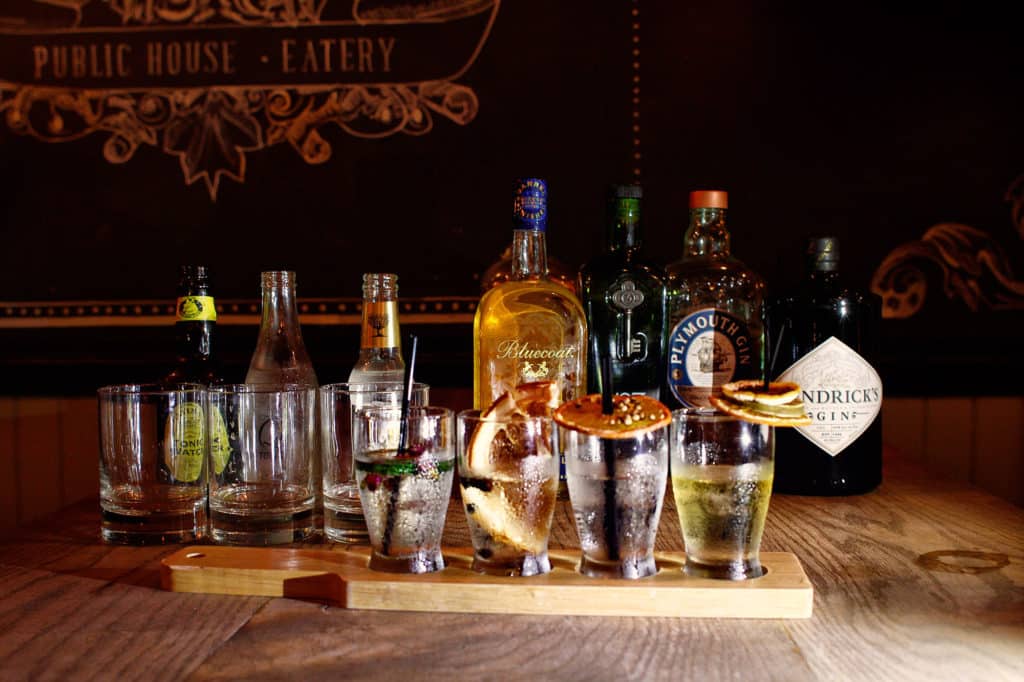
A good gin can feel effortless in the glass. The aroma rises cleanly, the first sip opens in layers, and what seemed simple at first turns out to be carefully built. Behind that experience is a quiet discipline: botanical selection, balance, extraction, dilution, temperature, garnish, and service style all working together. At a serious Gin Bar, botanicals are not decoration. They are structure.
That point matters because gin is, by definition, a spirit led by juniper and shaped by a broader botanical bill. Every bar that specializes in it has to decide whether it will treat those botanicals as a static ingredient list or as a living flavor system. The best places choose the second path. They learn how coriander behaves when citrus is bright, how angelica can dry out a finish, how pink peppercorn changes the nose more than the palate, and how a rosemary sprig can rescue one drink while ruining another.
Guests often notice the visible parts first: jars of dried herbs behind the back bar, fresh citrus peels on ice, perhaps a house tonic perfumed with lemongrass or bay. Those details matter, but they are only the surface. Real elevation comes from judgment. A bar has to know when to amplify what is already inside the gin and when to contrast it. It has to know how much is enough. It has to know that botanicals are powerful, and that power can just as easily flatten a drink as refine it.
What botanicals actually do in gin service
When people hear the word botanical, they often think of garnish. In practice, a botanical can shape flavor at several points: during distillation at the producer level, during mixing at the bar, through carbonation or tonic pairing, through aroma release at the rim of the glass, and through the way temperature changes extraction over time.
That last point gets overlooked. A drink is not static. The first sip of a gin and tonic over hard cold ice is not the same as the sip you take six minutes later. Citrus peel expresses its oils early. Tender herbs can become greener and more assertive as they warm. Spices bloom slowly. A well-run Gin Bar takes that progression seriously. The staff is not just building a drink for the first impression. They are building it for the lifespan of the glass.
Juniper remains the anchor, but much of the interest in modern gin service comes from the supporting cast. Coriander often brings brightness and a lemon-peel quality. Angelica can add dryness, rootiness, and a kind of structural bitterness. Orris root helps aromas knit together. Citrus peels broaden top notes. Cardamom, cassia, peppercorns, fennel, chamomile, lavender, and dozens of other ingredients can tilt the spirit in different directions. Not every gin uses all of them, and not every bar should highlight all of them.
The practical question is simple: what experience does the bar want the guest to have? A London dry with a stern, classic profile asks for one style of handling. A contemporary gin that softens the juniper and pushes grapefruit, cucumber, or floral notes asks for another. The role of botanicals is not to make every drink louder. It is to make each drink more legible.
Reading the bottle before touching the garnish
One mark of an experienced bartender is restraint. If the gin already carries a strong botanical signature, the bar does not need to pile on fresh herbs, spices, and fruit as though abundance automatically means sophistication. Quite often, the opposite is true.
A classic juniper-forward gin may come alive with a simple lemon twist and a brisk tonic. Add cucumber, star anise, mint, and pink grapefruit, and suddenly the glass smells confused. The guest can no longer tell where the gin ends and the garnish begins. This is a common mistake in bars that want the drink to look dramatic for the room or the camera. It makes visual sense, but not sensory sense.
The Gin Bar better approach starts with tasting. Staff should taste every gin neat, chilled, and diluted. Those are three different states, and they reveal different aspects of the spirit. Neat tasting shows concentration and distillery intent. Chilled tasting quiets volatility and helps highlight texture. Light dilution, even just a few drops of water, can reveal hidden floral or spice notes. A thoughtful Gin Bar trains its team to recognize these shifts before deciding how to serve the bottle.
Once that palate map is clear, the botanicals used in service can be sorted into a few functional roles:
- Echo botanicals, which reinforce flavors already present in the gin
- Contrast botanicals, which sharpen a hidden note by placing an opposite beside it
- Bridge botanicals, which connect spirit, mixer, and garnish into one flavor line
- Lift botanicals, which mainly affect aroma and first impression
- Structural botanicals, which add bitterness, dryness, or length to the finish
Those categories are useful because they move the conversation away from trend and toward purpose. A grapefruit twist on a citrus-led gin is an echo. Black pepper on a floral gin can be a contrast. A bay leaf in a savory highball can act as a bridge. A lemon verbena leaf placed near the rim can serve as lift. A touch of gentian in a tonic syrup can add structure. Once a bar thinks this way, garnish stops being ornamental and becomes compositional.
Fresh, dried, distilled, infused
Not all botanicals behave the same way, and treating them as interchangeable is expensive and wasteful. Fresh rosemary carries a vivid resinous aroma, but it can dominate quickly if bruised too aggressively. Dried chamomile gives a gentler, rounder floral character, especially in syrups or low-heat infusions. Citrus peels are all about oils and timing. Seeds and roots usually need more coaxing, and they often integrate better through pre-batching or syrup work than direct-to-glass service.
This is where technique separates a specialty bar from a generic one. If a bartender wants the bright snap of grapefruit oil, they should express the peel over the glass just before service rather than drop a thick wedge into the drink and hope for the best. If they want cardamom warmth, a measured tincture or cordial is often more precise than a pod floating in the glass. If they want cucumber aroma without watery dilution, a ribbon garnish can outperform fresh muddled slices.
There is also a cost dimension. Fresh botanicals are beautiful, but they are fragile. Herbs wilt. Citrus dries out. Berries break down. A bar that builds a menu around highly perishable garnish without a disciplined prep system often ends up serving inconsistent drinks by the end of the night. One of the smartest moves I have seen in busy service is shifting some flavor work from garnish to controlled prep: house tinctures, saline solutions, concentrated syrups, and carefully labeled infusions. The guest still sees a polished drink, but the flavor result is more stable.
A professional bar also thinks about sanitation and pace. Loose herbs stuffed into the bowl of a copa glass may look lush, yet they can trap straws, interfere with sipping, and shed fragments into the drink. That can be charming in a quiet afternoon service and frustrating in a crowded Saturday rush. Elevation is not just about intensity of flavor. It is also about ease of drinking.
Why tonic choice matters as much as the gin
A Gin Bar can do everything right with the spirit and still miss the drink if the mixer is wrong. Tonic water brings bitterness, sweetness, acid balance, and carbonation. It can either frame the gin or smother it.
This becomes especially important when botanicals are subtle. A delicate floral gin can vanish under a broad, sugary tonic. A dry, piney gin can feel too severe if paired with a lean tonic that adds bitterness without enough citrus lift. Some bars solve this by offering several tonic styles and training staff to match them deliberately rather than by habit.
The practical win here is that tonic can function like an invisible botanical extension. A tonic with pronounced quinine and restrained sugar supports classic juniper structures. One with Mediterranean herbs or citrus can amplify brighter contemporary gins. An elderflower tonic can flatter some floral profiles, but it can also turn perfume-heavy if paired carelessly. The bar needs to know where that line is.
Carbonation level matters too. Sharper bubbles throw aroma upward and make the drink feel more vivid. Softer bubbles can make a rounder, calmer serve. Even the pour matters. Dumping tonic aggressively onto ice and garnish can bruise herbs and flatten carbonation. Sliding it gently down a bar spoon or the inside wall of the glass preserves energy in the drink. These are small choices, but they add up.
Aroma leads the palate
Most guests describe taste, but what they actually respond to first is aroma. That is why botanicals are so powerful in gin service. The nose prepares the palate before the liquid arrives.
A rosemary sprig clipped short and placed near the rim can transform a guest's perception without making the drink taste overtly of rosemary. The same principle explains why grapefruit peel feels brighter than grapefruit juice in many gin serves. Juice changes sweetness, acidity, and texture. Peel changes expectation. In a professional setting, that distinction is crucial.
One of the best exercises for training staff is to smell garnishes side by side before they ever hit a drink. Smell mint unbruised, then lightly slapped, then torn. Smell lemon peel freshly cut, then after ten minutes on the station. Smell pink peppercorn whole, then cracked. These differences are dramatic. Once a team becomes sensitive to them, service gets sharper fast.
There is also an honesty issue here. Aroma can promise flavors the palate never fully receives. That can be elegant when used intentionally, but gimmicky when overdone. If a bar torches rosemary for spectacle, fills the glass with smoke, and then delivers a thin or imbalanced drink, the guest feels the mismatch. The botanical should support the liquid, not distract from it.
Building signature serves without losing the gin
Many bars want house signatures that stand apart from the standard gin and tonic. That is a sensible goal, but gin is easy to bury under syrups, liqueurs, and acid if the menu leans too hard into novelty. The strongest signature drinks keep the spirit legible.
Take a savory profile built around a coastal-style gin. A bartender might use a dry vermouth, a touch of saline, and a restrained herb element such as dill or bay. The botanicals then read as an extension of the gin rather than a separate theme. By contrast, if the same drink receives tomato water, celery bitters, basil oil, and a salted rim, the gin may no longer be the star. The guest might enjoy the drink, but it no longer expresses what a Gin Bar should uniquely do.
This is where ratios and proof awareness matter. Most gins sit around 40 to 47 percent ABV, with some navy strength expressions much higher. A higher-proof gin can carry bold botanicals and still show through. A softer, lower-proof floral gin may need a lighter hand. One size never fits all.
A simple internal rule can help staff make better decisions during menu development:
- If the garnish is strong, keep the modifier set simpler
- If the tonic or mixer is aromatic, reduce competing fresh herbs
- If the gin is delicate, avoid sweeteners that blur the finish
- If the spirit is powerful, use dilution and citrus with more confidence
- If two botanicals smell similar, pick the better one instead of using both
That kind of discipline tends to produce drinks that feel precise rather than crowded. Guests may not be able to articulate why one serve feels polished and another feels messy, but they notice.
Seasonal botanicals change the entire experience
Seasonality is not just a restaurant concept. In a bar focused on gin, it can be one of the cleanest ways to keep a menu fresh without drifting into gimmickry. Spring herbs give a very different energy from autumn spices. Summer citrus has a different sweetness and oil content from winter fruit. Even the same garnish can behave differently depending on sourcing and storage.
A spring menu might lean toward pea shoots, tarragon, lemon verbena, and soft floral notes, especially with lighter contemporary gins. In colder months, a bar may pivot to bay, black cardamom, orange peel, clove in tiny amounts, or toasted spice tinctures. The trick is never to let the seasonal idea overpower the spirit. Guests came to a Gin Bar for gin, not for an herb garden with alcohol added as an afterthought.
There is also a local angle. Bars that work with regional herbs or citrus varieties often discover combinations that feel distinctive without being forced. That could mean using native aromatics, a local honey in a syrup, or a citrus variety that reflects the region's agriculture. None of that needs to be marketed loudly. If it tastes good and serves the gin, it earns its place.
Staff knowledge is part of the flavor
Flavor is not only in the glass. It is in how the drink is presented, suggested, and explained. When a bartender can tell a guest, in one clear sentence, why a certain garnish was chosen, the drink lands differently. The guest pays attention. They smell before sipping. They connect the aroma to the palate.
This only works when the staff truly understands the product. Scripted language falls flat quickly. Real knowledge sounds specific. It might be as simple as saying that the orange peel was chosen to pull out the coriander and soften the bitter edge of the tonic, or that the cracked pepper lifts the gin's citrus without making the drink spicy. Those are small insights, but they change the guest's experience from passive consumption to active tasting.
Training should also include what not to recommend. Not every guest wants a botanical-heavy serve. Some want a clean martini, cold and sharp. Others dislike floral notes or have strong aversions to anise, lavender, or cucumber. The best bars respect that. Expertise is not showing off the most ingredients. It is making the right call for the person in front of you.
The trade-offs every bar has to manage
There is no perfect system. Fresh botanicals look beautiful and smell vivid, but they raise labor costs and inconsistency risk. House infusions and tinctures offer precision, but they Gin Bar require prep time, labeling discipline, and shelf-life management. A broad gin selection attracts enthusiasts, but it complicates staff training and inventory. A minimalist menu can sharpen quality, yet some guests expect theatre from a specialty Gin Bar.
Good operators make peace with these trade-offs by choosing a lane and executing it fully. One bar may build its identity around classic service with excellent tonic pairing and almost no visual excess. Another may specialize in regional botanicals and custom garnishes, supported by rigorous prep and staff education. Both can succeed if the drinks remain coherent.
The common failure point is trying to do everything at once. A bar that stocks 80 gins, 6 tonics, 20 fresh botanicals, and a sprawling signature menu may look impressive on paper and still struggle to deliver consistency. Precision is easier to sustain when the team knows exactly what each ingredient is doing.
When botanicals become memory
The strongest gin drinks stay with people for reasons they do not always name correctly. They might say the drink was refreshing, elegant, or unusually fragrant. Often what they are remembering is a botanical choice that clicked perfectly into place.
Maybe it was the way a grapefruit peel sharpened a dry gin on a warm evening. Maybe it was a single bay leaf that made a savory highball feel complete. Maybe it was the absence of clutter, the confidence to serve a beautiful spirit with cold glassware, hard ice, clean tonic, and one precise aromatic note.
That is the real craft of a Gin Bar. It does not treat botanicals as trend pieces or visual props. It uses them the way a chef uses seasoning, carefully, selectively, and with a clear understanding of timing, intensity, and balance. When handled well, botanicals do more than add flavor. They reveal it.
The Winslow
243 E 14th St
New York, NY 10003, United States
Phone: +1 212-777-7717
FAQ About Gin Bar
How to do a gin tasting?
Start with a small pour and gently smell the gin before taking a small sip. Notice its juniper, citrus, floral or spice notes, then compare how the flavor changes with a little water or tonic. At a gin bar, ask the bartender to explain the selection and botanical pairings.
How to make the best tasting gin and tonic?
Use chilled gin, fresh tonic and plenty of ice. A common starting ratio is one part gin to two parts tonic, adjusted to taste. Choose a garnish that complements the gin's botanicals and stir gently to preserve the bubbles.
What is the smoothest tasting gin?
There is no single smoothest gin for everyone. Perceived smoothness depends on the botanical recipe, alcohol strength, serving temperature and mixer. Describe whether you prefer citrus, floral, herbal or juniper-forward flavors so a bartender can suggest a suitable style.